
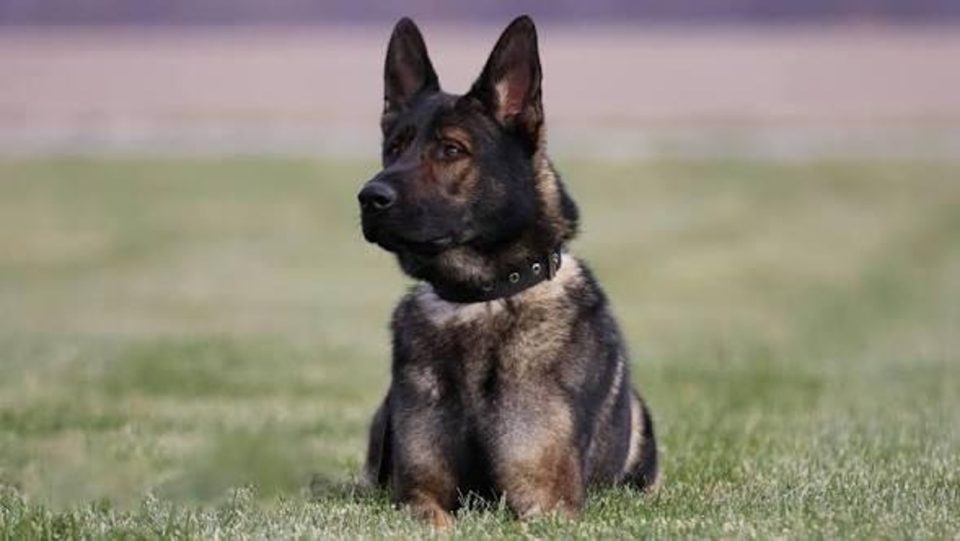
German Shepherds have long been recognized for their intelligence, loyalty, athleticism, and ability to work closely with people. These qualities have made them popular as family companions, service dogs, working dogs, and protection dogs.
For people considering a protection dog, finding one that has received professional training can provide important advantages. However, protection training involves much more than teaching a dog to respond to commands. A properly trained dog should demonstrate obedience, confidence, stability, and the ability to respond appropriately to different situations.
If you are looking for a professionally trained German Shepherd protection dog for sale, understanding what to look for can help you choose a dog that is suitable for your lifestyle and expectations.
Why German Shepherds Make Excellent Protection Dogs
German Shepherds are naturally well suited to many types of working roles. They are intelligent and generally eager to learn, allowing experienced trainers to teach them complex behaviors and reliable obedience.
Their physical strength and athleticism are also useful for demanding working environments. However, physical capability alone does not make a good protection dog.
Temperament is equally important.
A reliable protection dog should be confident without being unnecessarily aggressive. It should be capable of recognizing potential threats while remaining under the handler’s control. This balance is one of the reasons professional training is so important.
Professional Training Goes Beyond Basic Obedience
Basic commands such as sit, stay, down, come, and heel are important foundations, but protection dogs require a much broader level of training.
Professional programs may focus on obedience under distraction, environmental confidence, impulse control, handler responsiveness, and controlled protective behavior.
The goal is not to create a dog that reacts aggressively to everyone it encounters. Instead, appropriate training should teach the dog when to remain calm, when to alert its handler, and when to respond to a legitimate command.
A well-trained protection dog should be capable of switching between a working mindset and a calm companion role.
Temperament Should Be a Priority
One of the most important factors when evaluating a protection dog is temperament.
A suitable dog should generally be stable and confident in different environments. It should not display uncontrolled fear or unpredictable aggression.
Potential owners should observe how the dog behaves around different people, unfamiliar surroundings, noises, other animals, and everyday distractions.
A professional breeder or trainer should be able to explain the dog’s temperament and training history rather than simply emphasizing its size or protective ability.
Age and Training Experience Matter
The appropriate age of a protection dog depends on what the buyer expects from the dog.
Younger dogs may still be developing physically and mentally, while mature dogs may already have established obedience and working skills.
An older, professionally trained German Shepherd may be attractive to buyers who want a dog that has already developed reliable habits. A younger dog, on the other hand, may provide more opportunity for the owner to participate in its continued development.
Regardless of age, prospective owners should ask for clear information about the dog’s training, experience, health, and behavior.
Health Is Just as Important as Training
A protection dog needs to be physically capable of performing its duties and enjoying an active life.
When considering a German Shepherd, prospective owners should ask about veterinary records, vaccinations, regular health care, and relevant genetic or orthopedic screening.
German Shepherds can be susceptible to certain hereditary health conditions, so responsible breeders and trainers should be transparent about health testing and the dog’s medical history.
A professionally trained dog should not be evaluated solely on its working ability. Long-term health and quality of life are equally important.
Understanding the Dog’s Training
Before purchasing a trained protection dog, ask exactly what the training includes.
Training programs can vary considerably. Some dogs may have extensive obedience and protection training, while others may have only basic working foundations.
Questions worth asking include:
- What commands does the dog reliably understand?
- How long has the dog been trained?
- Who performed the training?
- How does the dog behave around strangers?
- How does the dog respond to other dogs?
- Can the dog remain calm in public environments?
- What situations has the dog been exposed to?
- Does the training include ongoing handler education?
- Are training records or demonstrations available?
Clear answers can help buyers understand whether the dog’s training matches their expectations.
Handler Training Is Also Important
Owning a protection dog comes with responsibilities. Even a highly trained German Shepherd needs consistent handling and appropriate reinforcement.
A reputable trainer should help the new owner understand the dog’s commands, routines, boundaries, and behavior.
This transition is important because a dog may respond differently when working with a new handler. Building trust and communication takes time.
Owners should therefore be prepared to continue training rather than assuming that professional training means the dog requires no further guidance.
Protection Dogs Can Also Be Family Companions
One common misconception is that a protection dog must constantly behave like a working dog.
In reality, a well-trained German Shepherd can often be taught to distinguish between working situations and ordinary family life. The ability to remain calm when protection behavior is not required is an important characteristic.
For households with children, visitors, or other pets, this distinction becomes particularly important. Owners should discuss their household environment with the breeder or trainer before selecting a dog.
A dog’s individual temperament should always be considered rather than assuming that every German Shepherd will behave the same way.
Choosing a Responsible Seller or Trainer
The source of the dog matters just as much as the dog’s training.
A reputable breeder or professional trainer should be willing to provide information about the dog’s background, health, temperament, and training history. They should also be interested in determining whether the dog is appropriate for the prospective owner’s needs.
Be cautious of sellers who make exaggerated claims or focus exclusively on aggression and physical strength.
A responsible professional should emphasize control, obedience, stability, and responsible ownership.
Whenever possible, prospective buyers should meet the dog in person and observe its behavior before making a decision.
Finding the Right Match
The best protection dog is not necessarily the largest, strongest, or most intimidating German Shepherd. The right match depends on the owner’s experience, home environment, lifestyle, and expectations.
Someone seeking a family companion with additional protective capabilities may have different requirements from someone looking for a dedicated working dog.
Professional guidance can help identify a dog whose temperament and training are compatible with the owner’s circumstances.
A Long-Term Commitment
Purchasing a professionally trained German Shepherd is only the beginning of the relationship. The owner is responsible for providing appropriate exercise, nutrition, veterinary care, socialization, training, and mental stimulation throughout the dog’s life.
German Shepherds are intelligent and active dogs that generally benefit from having a purpose and regular interaction with their handlers.
With appropriate care and continued training, a well-selected German Shepherd can become a loyal companion and a dependable working partner.
Final Thoughts
Choosing a professionally trained German Shepherd protection dog requires more consideration than simply finding a dog with an impressive pedigree or advanced training.
Temperament, health, obedience, training history, environmental confidence, and compatibility with the owner’s lifestyle should all be evaluated before making a decision.
A well-trained protection dog should ultimately be defined by control and reliability, not uncontrolled aggression. By working with a responsible breeder or professional trainer and taking the time to understand the dog’s background, prospective owners can make a more informed decision and find a German Shepherd that is both a capable working companion and a well-mannered member of the household.
