
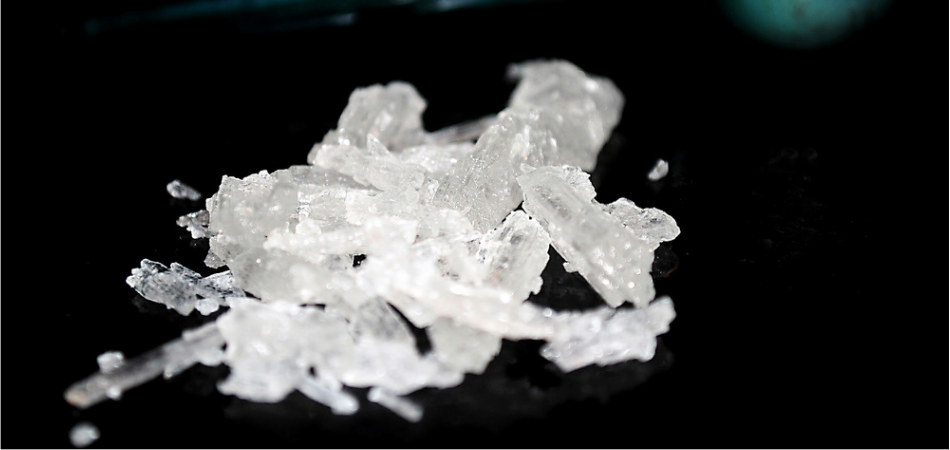
Methamphetamine is a powerful stimulant known for its ability to hijack brain chemistry, creating intense euphoria and energy. But for many who try it, what begins as an occasional high often transforms into a destructive dependency — altering physical health, mental stability, relationships, and overall quality of life. Overcoming meth addiction is a challenging journey, yet with the right help and a structured plan, recovery is possible.
The True Cost of Meth Abuse
When meth enters the body, it floods the brain with dopamine and other neurotransmitters, producing a surge of pleasure, energy and alertness. Over time, repeated use rewires the brain’s reward circuitry, making natural rewards feel dull and raising the tolerance to the drug. As a result, increasing amounts of meth are required to achieve the same high — pushing many into a deep spiral of dependency.
Physically, the impact of long-term meth use can be devastating. Sleep patterns become erratic, appetite is lost, and basic bodily functions suffer. Many users report rapid weight loss, dental problems, skin issues, cardiovascular stress, and serious organ strain. Mental health too takes a heavy hit: chronic anxiety, depression, paranoia, memory problems, mood swings, and even psychotic episodes become common.
Attempting to quit meth alone — without support — often leads to intense withdrawal symptoms: overwhelming fatigue, deep despair, crippling cravings, severe depression or anxiety, and high risk of relapse. Research shows that meth withdrawal, though not always physically life-threatening, can be psychologically dangerous and difficult to manage without supervision.
Starting Recovery: Detox and Stabilization
The first, crucial step toward healing involves medically supervised detoxification. Under professional care, the body is guided through the most intense phases of withdrawal, which often peak within the first few days after the last dose. Detox helps manage symptoms such as anxiety, sleep disruption, cravings, and possible psychiatric complications like depression or suicidal ideation.
During detox, support can include hydration and nutrition therapy, medical monitoring, and comfort medications to help alleviate insomnia or agitation. While there is no single FDA‑approved medication specifically for meth addiction, doctors may prescribe sleep aids, antidepressants, or antipsychotics to ease withdrawal symptoms and safeguard mental health.
But detox alone cannot heal the underlying causes of addiction. Once the body is stabilized, deeper psychological and behavioral work must begin to rebuild a sober, meaningful life.
Healing the Mind: Behavioral Therapy and Ongoing Support
Since meth targets both body and mind, recovery must also be comprehensive. Behavioral therapies — such as cognitive behavioral therapy (CBT) — are among the most effective tools to help individuals understand and overcome the thinking patterns that feed addiction. CBT helps patients identify triggers, break cycles of craving, and develop healthier coping strategies.
Another effective approach is the “contingency management” model, which uses positive reinforcement — rewards for drug-free tests and progress — to encourage sustained abstinence.
Treatment may be delivered in different settings depending on the severity of addiction, co‑occurring mental health issues, and personal circumstances: some benefit from inpatient programs with 24/7 care and structured daily routines, while others may choose outpatient care that allows them to maintain family or work obligations while receiving therapy.
Long-term success often depends on a supportive aftercare plan: ongoing therapy, peer support, lifestyle changes, and relapse‑prevention strategies. Since meth’s impact on brain chemistry can cause lasting challenges — particularly with motivation, mood regulation, and stress response — continuous care helps rebuild stability and resilience over time.
Reclaiming Life: Why Recovery Matters
Choosing to seek professional help marks the beginning of a journey — one that can lead to restored health, clearer thinking, emotional stability and renewed relationships. Through a well‑structured path of detox, therapy, support, and care, many individuals manage to break the hold meth had over their lives and gradually rebuild identity, purpose, and dignity.
For anyone struggling with meth addiction, there is hope. Engaging with a program designed to treat addiction seriously — one that combines medical stabilization with long‑term psychological and social support — offers a path toward healing. Using a structured opioid detox & treatment‑style approach (adapted for stimulants), tailored to the needs of meth users, can make all the difference: offering safety during detox, clarity during recovery, and a foundation for a drug‑free future.
