
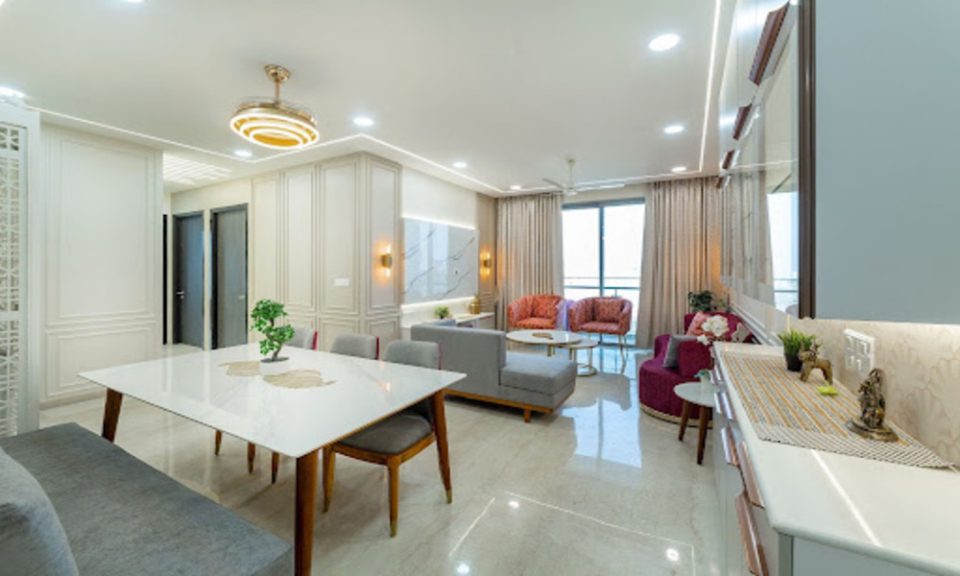
Walk into a truly memorable space and you can feel it immediately. The lighting, textures, proportions, and even the way sound moves through the room all seem to work in harmony. That magic is rarely accidental. It’s the result of thoughtful, innovative interior talent operating at the intersection of design, architecture, culture, technology, and human behavior.
Today’s most forward-thinking designers are doing far more than picking paint colors or specifying furniture. They’re reimagining how we live, work, heal, and connect. Let’s explore what makes this new wave of Interior Talent design & architecture so transformative.
The Creative Minds Behind Transformative Spaces
The Rise of Interdisciplinary Designers
The modern design and architecture world is no longer neatly divided into separate silos. Instead, many of the most compelling creators are interdisciplinary designers—professionals who blend traditional design training with insights from psychology, environmental science, sociology, technology, and even behavioral economics.
Rather than focusing solely on aesthetics, these designers ask deeper questions:
- How does a space make people feel?
- Does it support focus, rest, collaboration, or healing?
- How does it affect the body, mind, and community over time?
For example, a designer working on a workplace project might combine principles of environmental psychology with knowledge of acoustic engineering to create a space that reduces noise fatigue while boosting concentration. They’re just as concerned with how a room sounds and functions as with how it looks.
This cross-disciplinary approach is not limited to stylish homes or trendy offices. Interdisciplinary designers are increasingly shaping:
- Healthcare environments that promote recovery and reduce stress
- Schools that support different learning styles
- Public spaces that feel welcoming, inclusive, and safe
By bridging multiple fields, these professionals are redefining what Interior Talent design & architecture can achieve—spaces that are emotionally resonant, highly functional, and also socially and environmentally intelligent.
Culture as the Backbone of Design Philosophy
Culture is more than a visual theme; it’s the foundation that gives a space meaning. Skilled designers treat culture as a narrative thread, using it to inform material choices, color palettes, spatial layouts, and even the symbols woven into a room’s details.
Thoughtful design might reference local craftsmanship, indigenous building techniques, or historic patterns—but reinterpret them in a contemporary way. A restaurant, for instance, might pair modern furnishings with traditional tile patterns or local stone, creating a sense of place that feels both current and rooted.
With globalization, designers now navigate a more complex terrain. They’re constantly balancing:
- Global design influences and trends
- Local traditions, climate, and community stories
When done well, the result is a space that doesn’t feel generic or “copy-paste.” Instead, it feels specifically tailored to the people who use it. That’s the hallmark of strong interior talent: the ability to translate personal and collective stories into tangible environments where people feel that they belong.
The New Wave of Emerging Talent
Alongside established names, a new generation of designers and architects is coming into the spotlight—and they’re bringing a very different set of priorities. Sustainability, social impact, accessibility, and technology are no longer “nice-to-have” considerations; they’re at the core of their practice.
You’ll often see younger designers:
- Experimenting with recycled, reclaimed, or unconventional materials
- Designing for circularity and long-term longevity rather than short-lived trends
- Prioritizing inclusive design so spaces work for people of different ages, abilities, and backgrounds
Many of them view design as a tool for change, not just a profession. They participate in community projects, mentorship, and research, challenging outdated assumptions and widening the reach of good design. Their work suggests a future where Interior Talent design & architecture is not only visually impressive, but also responsible, equitable, and deeply human-centered.
Innovative Design Techniques That Challenge Tradition
Biophilic Design: Reconnecting People with Nature
One of the most influential movements in recent years is biophilic design—the idea that people are healthier and happier when their surroundings reconnect them with nature.
This goes far beyond placing a few potted plants in a room. Biophilic design might involve:
- Maximizing natural light and views of greenery
- Integrating water features or natural sounds
- Using organic shapes and patterns inspired by nature
- Specifying natural materials like wood, stone, and clay
Research continues to show that even modest exposure to natural elements can reduce stress, improve focus, and boost overall well-being. That’s why you’ll see offices with living walls, hotels designed around courtyards and gardens, and healthcare spaces that prioritize views of trees and sky.
Biophilic design also dovetails with sustainability. Encouraging daylight reduces the need for artificial lighting; incorporating native plants supports local ecosystems; and choosing natural, responsibly sourced materials helps reduce environmental impact. It’s a powerful example of how innovative design can nurture both people and the planet.
Sustainable Practices in Architecture and Interiors
Sustainability is no longer a trend; it’s a baseline expectation. Today’s leading designers are rethinking every stage of a project—from sourcing and construction to long-term use and eventual end-of-life.
Common strategies include:
- Using locally sourced materials to cut down on transportation emissions
- Incorporating reclaimed wood, recycled metal, or repurposed fixtures
- Designing for energy efficiency with better insulation, smart lighting, and passive cooling
- Considering durability and adaptability so spaces can evolve rather than be demolished
But the sustainability conversation has expanded beyond the environment. Designers are also asking:
- Who benefits from this space?
- Does it support the surrounding community?
- Is it accessible and inclusive?
This broader view—sometimes called “social sustainability”—recognizes that truly responsible Interior Talent design & architecture must be good for people as well as the planet.
Augmented Reality: Turning Ideas into Immersive Experiences
Technology is transforming how designers think, experiment, and communicate. Augmented reality (AR) is at the forefront of this shift.
With AR, clients can walk through a proposed space using a phone, tablet, or headset, seeing furniture, finishes, and layouts overlaid onto the real world. This creates several advantages:
- Clients understand scale, proportion, and flow more intuitively
- Decisions about colors, materials, or configurations become more informed
- Design changes can be tested quickly and interactively
For designers, AR is both a creative and practical tool. It allows rapid iteration, real-time collaboration, and clearer communication with contractors and consultants. When paired with virtual reality (VR) and AI-powered tools, it gives the industry a completely new way to explore “what if” scenarios before a single wall is built.
Collaboration: The Heartbeat of Iconic Projects
When Designers, Architects, and Artists Join Forces
Behind most iconic spaces is a team, not a single genius. Designers, architects, artists, engineers, and other specialists often collaborate to create environments that are richer and more layered than any one discipline could achieve alone.
Architects might define the structure and circulation, interior designers shape the user experience and material palette, and artists inject meaning and emotion through installations or murals. The result is:
- Spaces that function beautifully
- Environments that tell a story
- Experiences that engage people on multiple levels
This kind of cross-pollination is especially visible in public spaces, museums, cultural centers, and large-scale urban projects. Collaboration allows ideas to expand rather than narrow, keeping projects innovative and responsive to the community.
Lessons from Collaborative Case Studies
Look at some of the world’s most admired projects and you’ll almost always find a collaborative model behind them. Elevated parks, contemporary museums, reimagined industrial sites—many of these successes stem from teams that combined landscape architecture, urban planning, interior design, and public art.
What these projects share is not just impressive visuals but a thoughtful integration of:
- Functionality and comfort
- Cultural relevance
- Environmental consciousness
- Community engagement
They demonstrate how strong collaboration can turn complex challenges into inspiring, memorable places.
Why Client Relationships Matter So Much
There’s another crucial collaborator in every successful project: the client. The most innovative outcomes usually come from relationships where designers and clients see each other as partners rather than adversaries.
Great designers:
- Ask questions that get beyond the surface (“What do you want this space to enable in your life or business?”)
- Listen carefully to concerns and aspirations
- Share ideas and constraints transparently
- Provide visual tools—mood boards, AR/VR walkthroughs, samples—to keep everyone aligned
When clients feel heard and involved, the process becomes smoother, and the end result reflects their values as much as the designer’s vision. In many ways, strong client relationships are the quiet, unseen engine behind exceptional Interior Talent design & architecture.
Trends Shaping the Future of Interior Design and Architecture
Technology as a Design Partner
Digital tools have fundamentally changed how interiors are conceived and built. Software like parametric modeling and generative design lets designers explore complex forms, adaptive facades, and custom details that would have been difficult or impossible to create a few decades ago.
Meanwhile, smart home technology and the Internet of Things (IoT) are turning interiors into responsive systems. Spaces can now:
- Adjust lighting and temperature automatically
- Learn user preferences over time
- Integrate sound, security, and energy use through a single interface
The aesthetic of a space is increasingly intertwined with how it behaves. This shift pushes designers to think in terms of interactive experiences, not just static compositions.
Globalization and the Reimagining of Local Identity
Globalization has put an infinite library of images, materials, and ideas at designers’ fingertips. While this can lead to the spread of homogeneous “global style,” the most thoughtful practitioners use this access differently.
They borrow selectively from global influences while remaining deeply attentive to local climate, culture, and history. For example:
- Tropical homes may combine international minimalism with vernacular shading strategies and local materials
- Urban spaces might blend contemporary forms with references to regional art, craft, or folklore
Globalization has also made international collaboration easier, bringing together diverse voices on the same project. This can enrich the design process—but it also challenges designers to stay grounded and respectful of the contexts they’re working in.
The Minimalist Movement and the Desire for Calm
Minimalism remains one of the most influential currents in modern design. But it’s evolving beyond “white walls and sparse furniture” into something more thoughtful and nuanced.
Today’s minimalism often aims to:
- Reduce visual noise
- Highlight quality over quantity
- Create spaces that feel calm, intentional, and uncluttered
This might mean fewer but better pieces of furniture, a restrained color palette, generous negative space, and strong attention to natural light and texture. Minimalism also aligns naturally with sustainability, as it encourages people to buy less, choose well, and keep things longer.
In a world full of digital distractions and constant stimulation, minimalist spaces can function as a kind of everyday sanctuary—a place where people can breathe, focus, and reset.
Final Thoughts: The Future of Interior Talent
The most exciting thing about Interior Talent design & architecture today is how expansive it has become. It now encompasses sustainability and innovation, yes—but also mental health, cultural storytelling, social equity, and technological experimentation.
From interdisciplinary designers and emerging talents to collaborative teams and forward-thinking clients, the creative forces shaping our interiors are reimagining what spaces can do for us. They’re crafting environments that don’t just look impressive in photographs but genuinely support human life in all its complexity.
As our needs and challenges continue to evolve, one thing is clear: the future of design belongs to those who can think across disciplines, honor culture, harness technology wisely, and never lose sight of the people at the heart of every space.
