
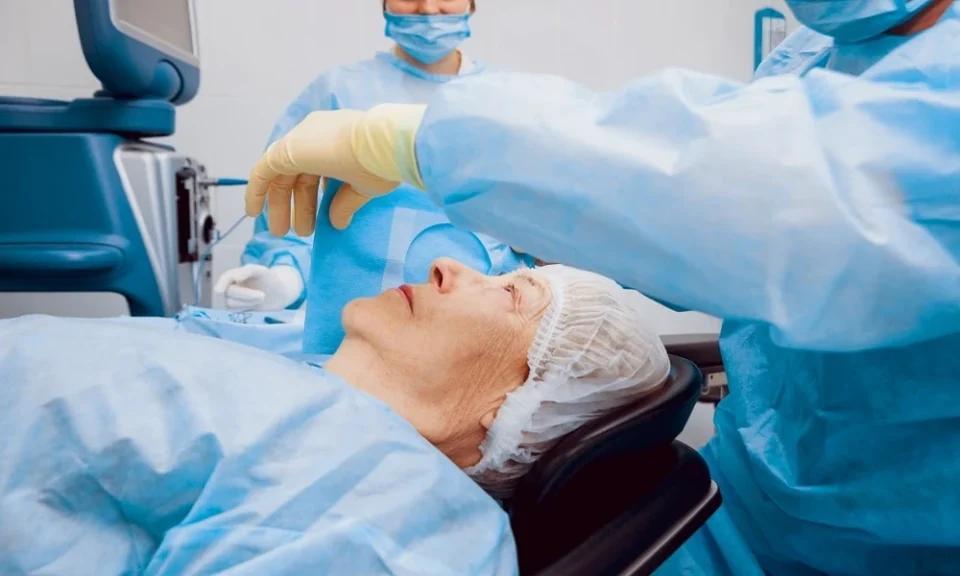
Endotine is a surgical treatment that uses a specialized fixation device to support and reposition tissue beneath the skin. Depending on individual facial anatomy and treatment goals, doctors may consider the procedure for areas such as the forehead, eyebrows, or upper face.
For people researching where to get Endotine treatment, choosing a clinic should involve more than comparing prices or viewing treatment results online. Factors such as facial assessment, the doctor’s experience, clinic standards, surgical planning, and follow-up care can all influence the overall treatment experience.
Because facial structure, skin condition, and treatment needs differ between individuals, an in-person consultation is important before making a decision. The following seven factors can help patients evaluate their options more carefully.
1. Choose a Clinic That Provides a Detailed Facial Assessment
Before undergoing Endotine treatment, patients should receive a detailed facial evaluation from a doctor. This helps identify the areas of concern and determine whether the procedure may be appropriate for the individual.
During the assessment, the doctor may consider:
– Overall facial proportions
– Forehead and eyebrow position
– The degree of tissue laxity
– Skin and tissue condition
– Existing facial asymmetry
– Individual treatment expectations
A detailed consultation also allows patients to understand the proposed treatment approach, possible limitations, and expected recovery process. Recommendations should be based on medical indications and the doctor’s clinical assessment rather than a standard treatment plan.
2. Review the Doctor’s Qualifications and Relevant Experience
Endotine treatment requires knowledge of facial anatomy and experience with surgical tissue repositioning. Therefore, reviewing the doctor’s professional background is an important step when comparing clinics.
Patients may consider the doctor’s medical qualifications, professional registration, experience with facial procedures, and approach to treatment planning. It may also be useful to ask whether the doctor has experience managing concerns similar to the patient’s condition.
In addition, the consultation should provide an opportunity to discuss potential benefits, limitations, possible risks, and alternative treatment options. Clear and balanced communication can help patients make decisions based on appropriate medical information.
3. Check the Clinic’s Licensing and Safety Standards
As Endotine involves surgery, patients should choose a properly licensed medical facility with suitable treatment areas, medical equipment, and safety procedures.
Important factors may include:
– Clean and appropriate treatment facilities
– Properly maintained medical equipment
– Pre-treatment health assessments
– Infection prevention procedures
– Safety and emergency protocols
– Accessible communication after treatment
Patients may also ask about the healthcare professionals involved during the procedure and recovery period. Understanding the clinic’s overall care process can provide useful information beyond the treatment itself.
4. Ask About the Treatment Technique and Procedure
Before making a decision, patients should understand how the proposed Endotine treatment will be performed. Although the device is designed to support tissue fixation, the surgical approach may vary depending on facial anatomy, the treatment area, and the doctor’s assessment.
Useful questions may include:
– Which facial area will be treated?
– Where may the incisions be located?
– How will the tissue be repositioned?
– What type of anesthesia may be considered?
– How long may the procedure take?
– What is the estimated recovery period?
Receiving clear information helps patients prepare for the procedure and understand what may occur during each stage of treatment. It also makes it easier to compare treatment plans based on medical considerations rather than price alone.
5. Consider Whether the Treatment Plan Is Personalized
Endotine treatment should not focus only on lifting a specific area. The doctor may also evaluate the relationship between the eyebrows, forehead, eyes, and overall facial proportions.
For example, the direction or degree of tissue repositioning may differ according to eyebrow position, facial asymmetry, tissue condition, and existing facial anatomy. Therefore, treatment planning should be individualized rather than based on a standard appearance.
Patients researching where to get Endotine treatment may benefit from choosing a clinic that clearly explains how the proposed treatment plan relates to their facial structure and individual concerns.
6. Review Post-Treatment Care and Follow-Up
Post-treatment care is an important part of the overall treatment process. Before undergoing the procedure, patients should receive clear information about recovery, wound care, follow-up appointments, and symptoms that may require medical attention.
Topics to discuss may include:
– How to care for the treated area
– Activities to avoid during recovery
– The expected follow-up schedule
– When normal activities may be resumed
– How to contact the clinic after treatment
Temporary swelling, bruising, tightness, or changes in sensation may occur after some facial procedures. However, recovery experiences and treatment responses may differ between individuals.
7. Avoid Choosing Based on Price Alone
Treatment cost is an important consideration, but it should not be the only factor when selecting a clinic. Prices may vary depending on the treatment area, surgical plan, medical facility, doctor’s assessment, and services included.
Before comparing costs, patients should ask what the treatment fee covers, such as medical assessments, procedure-related expenses, medication, and follow-up appointments.
A lower price does not necessarily indicate better value, while a higher price does not automatically mean that a treatment is more appropriate. The decision should consider medical suitability, clinic standards, treatment transparency, and follow-up care together.
Conclusion
Choosing where to receive Endotine treatment should begin with careful research and an in-person consultation. Important factors include the doctor’s assessment, relevant experience, clinic licensing, treatment planning, safety procedures, and post-treatment support.
For readers researchingทำ เอนโดไทน์ที่ไหนดี, (Where to Get Endotine Treatment), Dr. Vii Clinic is one option where patients can consult with a doctor regarding facial structure, individual concerns, and possible treatment approaches. The clinic provides individualized assessments and information about treatment preparation, planning, and follow-up care.
Before proceeding, patients should discuss their expectations, medical history, available treatment options, possible limitations, and recovery requirements with the treating doctor. The suitability of Endotine and treatment outcomes may vary depending on individual facial anatomy, medical indications, healing response, and the doctor’s clinical judgment.
