
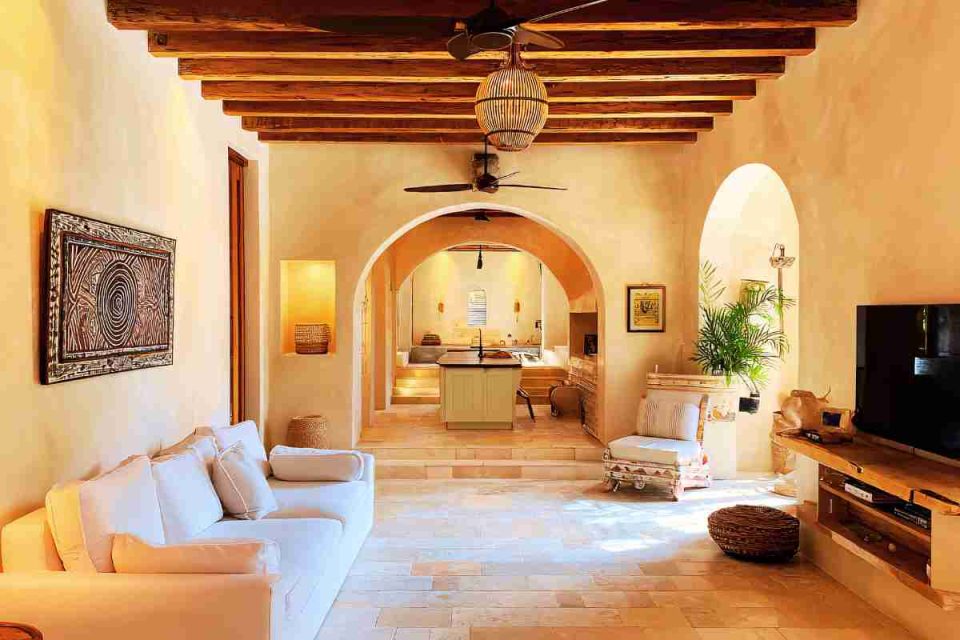
A well-designed home does more than look appealing. It supports daily routines, reflects personal taste, and creates an environment where comfort and functionality coexist. Many homeowners discover that achieving this balance requires more than instinct or inspiration boards. Professional guidance brings structure to creativity, helping transform ideas into cohesive living spaces. This is where home interior design services become a valuable partner in shaping environments that feel intentional and livable.
Interior design is not simply decoration. It is a thoughtful process that considers movement, proportion, lighting, and usability. Every decision influences how a space functions over time. Professional designers approach each project with a blend of artistic vision and practical reasoning, ensuring that beauty enhances everyday life rather than complicating it. The result is a home that feels organized, welcoming, and aligned with the way people truly live.
Understanding the Relationship Between Form and Function
Great interiors begin with a deep understanding of how space is used. Designers analyze routines, traffic flow, and the purpose of each room before selecting finishes or furnishings. A kitchen designed for frequent cooking demands efficient layouts and durable surfaces, while a living room focused on relaxation prioritizes comfort and openness. These early evaluations shape the foundation of the design.
Functionality influences every aesthetic choice. Furniture placement determines how people move through a room, while storage solutions affect organization and clarity. Designers carefully balance these elements so that visual appeal never compromises usability. A beautiful space should feel effortless to navigate, supporting daily activities without friction.
Home interior design services emphasize proportion and scale. Oversized furnishings can overwhelm a room, while undersized pieces may feel disconnected. Designers evaluate dimensions in relation to architecture, ensuring harmony between structural features and interior elements. This attention to spatial balance prevents clutter and maintains visual calm.
Lighting also plays a critical role in shaping function. Natural light enhances mood and perception, while artificial lighting layers create adaptability. Task lighting supports focused activities, ambient lighting softens the atmosphere, and accent lighting highlights architectural features. Together, these layers define how a space feels throughout the day.
Personalization Through Professional Insight
A home should feel like a reflection of its occupants. Designers translate personal preferences into a cohesive plan that blends individuality with timeless design principles. They evaluate color palettes, textures, and materials to create environments that feel expressive yet balanced. Professional insight prevents design choices from becoming overwhelming or inconsistent.
Material selection is a key component of personalization. Surfaces must withstand everyday use while maintaining visual integrity. Designers consider durability, maintenance, and tactile quality when recommending finishes. The goal is to create interiors that age gracefully, preserving their character over time.
Home interior design services also guide homeowners through the process of editing. Inspiration often comes from multiple sources, and without direction, spaces can feel disjointed. Designers refine ideas into a unified language, ensuring continuity from room to room. This cohesion strengthens the emotional connection to the space.
Textures add depth and warmth, influencing how interiors are experienced. Soft textiles balance hard surfaces, while natural materials introduce organic character. Designers layer these elements to create environments that feel inviting and dimensional. The interplay of texture contributes to both visual richness and physical comfort.
Integrating Practical Solutions into Aesthetic Design
True functional beauty emerges when practical needs are seamlessly woven into the visual plan. Storage solutions, flexible furniture arrangements, and ergonomic layouts ensure that spaces remain intuitive. Designers anticipate long-term use, creating interiors that adapt to evolving lifestyles.
Built-in features can maximize efficiency without sacrificing style. Custom shelving, concealed storage, and multifunctional furniture maintain order while preserving openness. These strategies allow rooms to serve multiple purposes without feeling crowded. Designers approach these solutions with creativity, ensuring they enhance rather than dominate the design.
Attention to acoustics and comfort further refines functionality. Soft furnishings absorb sound, improving the atmosphere in open spaces. Seating arrangements encourage conversation and relaxation, reinforcing the emotional purpose of the room. Every practical adjustment contributes to a more livable environment.
Collaboration and Execution for Lasting Results
Design success depends on clear communication and coordinated execution. Professional designers collaborate with contractors, artisans, and suppliers to translate plans into reality. Their oversight maintains alignment between concept and construction, ensuring that details are preserved throughout installation.
Visualization tools play an important role during this phase. Renderings, material samples, and layout previews help homeowners understand how decisions affect the final outcome. This transparency reduces uncertainty and allows thoughtful refinements before implementation. Collaboration fosters confidence and strengthens the design process.
Home interior design services extend beyond initial planning. Designers monitor progress, adjust timelines, and address unforeseen challenges. Their experience helps maintain momentum while protecting design integrity. This structured approach prevents costly mistakes and preserves consistency.
Finishing details define the quality of a completed interior. Trim alignment, fixture placement, and surface transitions influence how polished a space appears. Designers pay close attention to these elements, ensuring that every layer reinforces the intended aesthetic. Precision in execution transforms a good design into a refined environment.
A thoughtfully designed home supports emotional well-being as much as practical function. Color influences mood, lighting shapes perception, and spatial clarity reduces stress. Professional designers understand how these factors interact, crafting interiors that promote comfort and balance. The home becomes a place where form and function work in harmony.
Functional beauty is not about excess decoration or fleeting trends. It is about creating spaces that serve real needs while expressing personal identity. Through careful planning, professional collaboration, and attention to detail, interiors gain both structure and warmth. Home interior design services provide the expertise needed to guide this transformation, ensuring that every decision contributes to a cohesive and enduring result.
When design aligns with lifestyle, the home becomes more than a collection of rooms. It becomes an environment that enhances daily experiences, encourages relaxation, and reflects individuality. Professional interior designers bring clarity to this process, merging creativity with practicality. The outcome is a living space that feels intentional, comfortable, and beautifully functional, proving that thoughtful design is an investment in how people experience their homes every day.
