
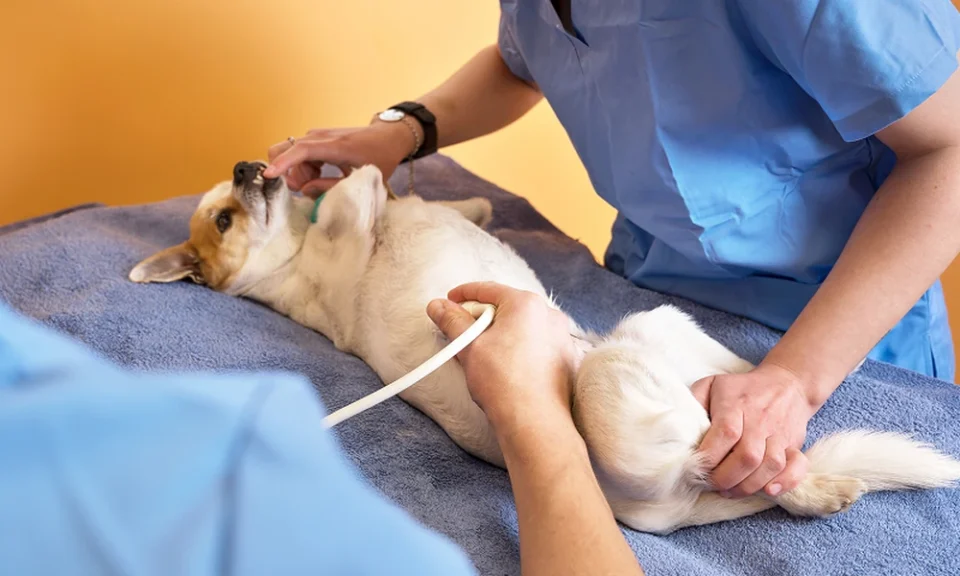
Laser therapy, also known as photobiomodulation, is increasingly used in veterinary practice to help manage pain, inflammation and healing after injury or surgery. For owners, the idea of a laser being used on their pet can sound daunting, but the treatment is non-invasive and usually well tolerated. Once a rehabilitation vet recommends laser sessions, knowing what the first appointment involves can help both you and your dog feel more relaxed about the process.
The Initial Assessment
Before any treatment begins, the vet will want to understand your dog’s condition and whether laser therapy is suitable. The first part of the visit usually covers points like these:
- A review of your dog’s medical history, recent X-rays or surgical notes.
- A physical examination of the affected area, including joints, muscles or wounds.
- Questions about your dog’s pain levels, mobility and daily routine at home.
- A check for conditions where laser use may need caution, such as certain tumours or pregnancy.
- A discussion of goals, such as easing arthritis discomfort or supporting post-surgical recovery.
Preparing the Treatment Area
Once the vet is satisfied that treatment can go ahead, the area to be treated is prepared. This step is usually quick and may include the following:
- Positioning your dog comfortably on a mat, bed or table.
- Cleaning the skin, especially over wounds or incisions.
- Clipping long or thick fur in some cases, so the laser light can reach the tissue.
- Removing collars or harnesses with shiny tags that could reflect the laser light.
- Placing protective goggles on your dog, as well as on the vet and anyone else in the room.
During the Laser Treatment
The treatment itself is often shorter than owners expect. That said, during dog laser therapy, the vet or a trained nurse moves a hand-held probe over or close to the skin, and the session generally unfolds in ways like these:
- Each area is treated for a few minutes, depending on its size and the condition being managed.
- The probe may be held in contact with the skin or slightly above it.
- Most dogs feel a gentle warmth but no pain.
- A full session for one or two small areas may take only around 10 to 15 minutes.
- Owners are often encouraged to stay nearby to help keep their dog calm.
- Settings such as power and dose are adjusted to suit the dog’s size, coat colour and condition.
How Dogs Usually Respond
Many dogs settle quickly during laser therapy, and some even fall asleep. Reactions vary, though, and you may notice behaviours such as these:
- Relaxed body posture or lying down once the warmth is felt.
- Mild restlessness at first, which often eases as the session continues.
- Licking or sniffing at the probe out of curiosity.
- Occasional sensitivity if the treated area was already sore.
- Calmer behaviour for the rest of the day in some dogs.
After the First Session
Most dogs can go home straight away and carry on with their usual routine. Before you leave, the clinic will typically go over details like these:
- How many sessions are recommended and how often they should take place.
- Any changes you might notice in the next day or two, such as increased comfort or mild tiredness.
- How laser therapy fits with other treatments, such as medication, exercise or hydrotherapy.
- Signs to report, such as increased limping or discomfort.
- Simple home exercises or activity limits that support recovery.
Building Towards Results
Laser therapy is rarely a one-off treatment. Benefits tend to build over a course of sessions, often starting with more frequent visits that are spaced out as your dog improves. Keeping track of changes in comfort and mobility at home, and sharing these with your vet, can help fine-tune the plan so your dog gets the most from each visit.
Wondering what laser therapy could do for your dog? Call our clinic to arrange a first session.
