
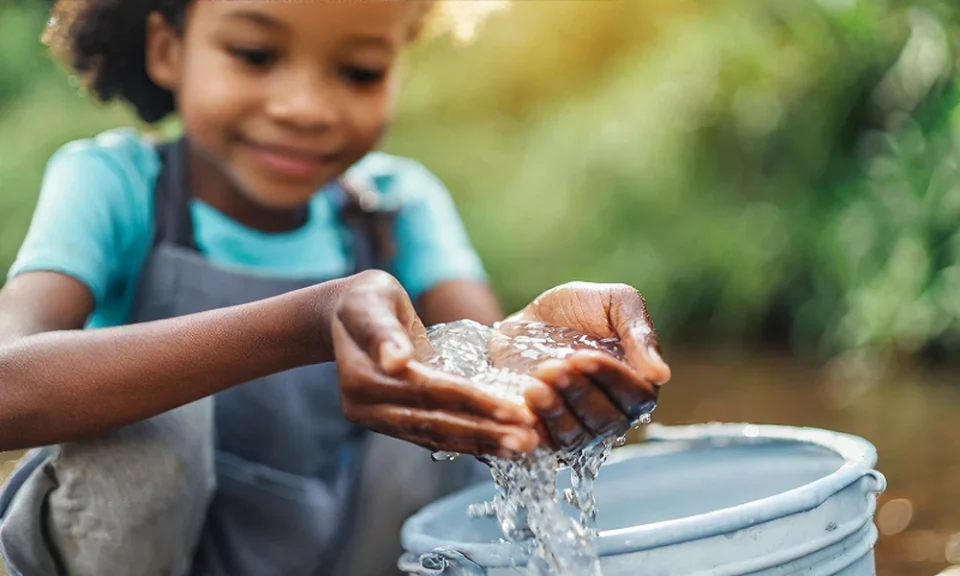
Building Change That Lasts
- Donations provide essential funding, but long-term water projects also need planning, local skills and ongoing maintenance.
- Clean water systems work best when communities help manage and protect them.
- Sanitation and hygiene education help reduce disease and protect children’s health.
- Singapore humanitarian aid can support both emergency relief and lasting community recovery.
Beyond the First Drop Of Clean Water
A donation can help bring clean water to a community, but what happens when a pump breaks or a water source becomes contaminated? Lasting access requires more than the initial cost of building a well or installing pipes.
A successful clean water charity must consider the needs of the people who depend on these systems every day. Reliable infrastructure, hygiene education and local support all play a part in keeping water safe and accessible. Through thoughtful Singapore humanitarian aid, donors can help communities meet urgent needs while building a stronger foundation for the future.
Why Are Donations Alone Not Enough For Clean Water Projects?
Donations can fund wells, water pumps, storage tanks and distribution systems. These resources can make a real difference, especially in places where families spend hours collecting water from unsafe sources. However, building a water point is only the beginning.
Equipment needs regular checks, spare parts and repairs. Water sources also need protection from waste and contamination. Without these measures, a project may stop serving its purpose long before the community has found another reliable supply.
A responsible clean water charity therefore considers the full life of a project. Funding should support not only construction but also the knowledge, tools and resources needed to keep facilities working. This broader approach helps turn a one-time contribution into a lasting community resource.
How Does Community Involvement Keep Water Systems Working?
Residents understand their community’s needs, daily routines and practical challenges. Involving them in project planning helps ensure that new facilities are accessible, suitable and useful.
Community members can also learn how to maintain equipment, report faults and protect water sources. When local people share responsibility for a system, they are better placed to spot problems early and organise repairs.
Long-term projects should also consider who collects water and who may struggle to access it. Children, older people and people with disabilities may face extra barriers. Locating water points within a reasonable distance can reduce these burdens and give children more time for school and play.
What Other Services Help Communities Benefit From Clean Water?
Safe water alone cannot solve every problem linked to poor sanitation. Water projects work best when combined with facilities and habits that protect health.
Key elements of a well-rounded programme include:
- Water infrastructure: Wells, boreholes, storage tanks and distribution systems provide access to safe water when properly managed.
- Sanitation facilities: Suitable toilets and latrines help prevent human waste from contaminating water sources.
- Hygiene education: Teaching children and families to wash their hands with soap helps reduce the spread of disease.
- Local maintenance skills: Practical training helps communities keep facilities in good working order and respond to common problems.
These measures reinforce one another. A reliable water supply makes handwashing easier, while good sanitation helps keep that supply safe. Together, they can support healthier homes, schools and community spaces.
How Can Singapore Humanitarian Aid Support Lasting Results?
Singapore humanitarian aid can help fund emergency supplies, safe water, hygiene kits and recovery programmes for people affected by conflict or natural disasters. Yet effective assistance should also consider what happens after the immediate crisis has passed.
During an emergency, families may need safe drinking water within hours or days. As conditions improve, support can shift towards repairing infrastructure, restoring essential services and helping communities prepare for future threats.
World Vision International Singapore’s crisis and disaster response work supports children and families through immediate relief, recovery and community rebuilding. Its wider work also includes clean water, sanitation and hygiene programmes, with community involvement in maintaining water systems. This reflects the need to address urgent needs while supporting longer-term well-being.
Donors can help by reviewing how a charity responds to emergencies, involves local communities and reports on its work. Clear information about project goals, progress and ongoing needs helps people make informed giving decisions.
Make Every Contribution Count Beyond Today
Lasting access to clean water depends on more than the money used to build a well. It calls for sound planning, local knowledge, reliable maintenance and good hygiene practices. When these elements work together, communities have a better chance of keeping water systems safe and useful for years to come.
A thoughtful clean water charity can help donors support both immediate needs and lasting progress. Through sustained Singapore humanitarian aid, individuals can contribute to safer water access and healthier futures for vulnerable children and families.
Contact us at World Vision International Singapore to learn how your support can help children and communities affected by crises and disasters.
