
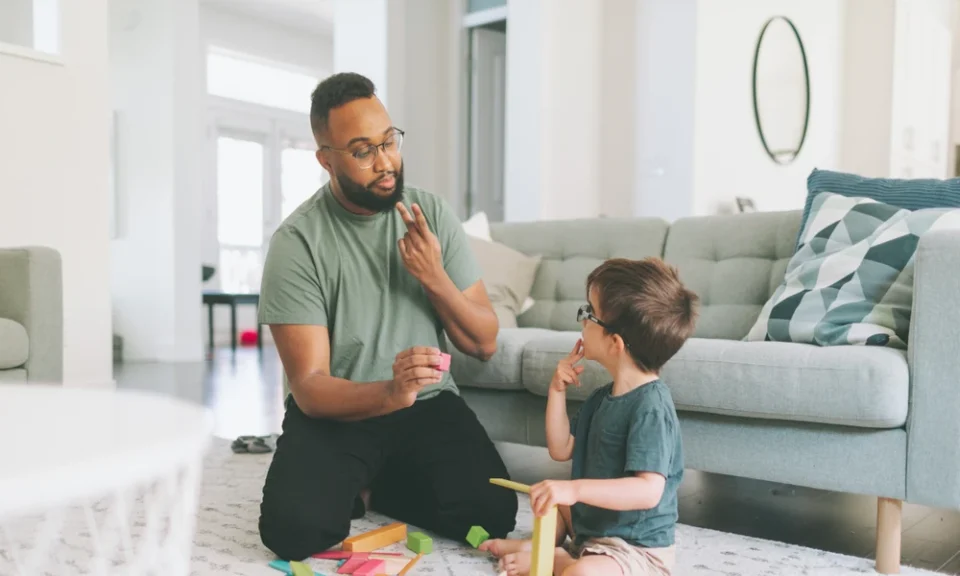
Teaching Spanish at home can be a fun and useful part of your child’s education. Whether your child is just starting to learn another language or is ready for Spanish for Middle Schools, regular practice can help build confidence and communication skills. You do not need to be fluent in Spanish to support your child. What matters most is making Spanish a regular part of daily life and giving your child many chances to hear, read, speak, and use the language.
Tips for Teaching Spanish to Kids at Home
1. Set Realistic Learning Goals
Before starting Spanish lessons, think about what you want your child to achieve. Some families may want their children to become comfortable speaking Spanish, while others may simply want to introduce them to another language and culture.
Having a clear goal can help you choose the right lessons and activities. If fluency is your main goal, your child will need regular practice over a long period. If your goal is basic communication, you can focus on common words, simple sentences, and everyday conversations.
Do not worry if your family cannot spend a lot of time on Spanish every day. Even short practice sessions can be useful when they are done regularly.
2. Learn Spanish With Your Child
You do not have to be a fluent Spanish speaker to help your child learn. In fact, learning together can make the experience more enjoyable for both of you.
Learn simple words and phrases together, practice pronunciation, and try using new vocabulary during everyday activities. You can also ask your child what they learned and let them teach you new words.
Learning together also shows your child that making mistakes is a normal part of learning. Instead of being afraid of saying something incorrectly, your child can become more comfortable trying.
3. Start Learning Early
Introducing a second language when children are young gives them more time to become familiar with it. Young children can enjoy songs, games, stories, and simple conversations in Spanish without feeling like they are doing difficult schoolwork.
However, starting later does not mean your child cannot learn well. Older children and teenagers can also become strong language learners. They may be able to understand grammar, notice patterns, and connect new Spanish words with words they already know.
The important thing is to choose activities that match your child’s age and learning level.
4. Keep Practicing
Regular practice is one of the most important parts of learning a language. This does not mean your child needs to spend hours memorizing vocabulary.
Instead, look for simple ways to use Spanish during the day. Practice greetings at breakfast, name objects around the house in Spanish, or ask simple questions such as how your child is feeling or what they did that day.
As your child’s vocabulary grows, you can slowly introduce longer conversations, reading activities, and short writing exercises.
5. Use Real Spanish
Children need to hear Spanish as it is actually spoken. Textbooks are useful, but they should not be the only source of Spanish your child hears.
Try using Spanish books, songs, TV programs, videos, stories, and conversations from fluent speakers. These materials can help children hear natural pronunciation and learn how people use words in everyday situations.
Real Spanish can also help children learn the rhythm and sound of the language. Over time, they may become more comfortable understanding different speakers and speaking on their own.
6. Give Your Child Chances to Speak
Speaking practice becomes more important as your child learns more Spanish. If possible, help your child find someone who speaks Spanish well.
This could be a friend, neighbor, teacher, family member, or language partner. Having regular conversations gives your child a chance to use vocabulary outside of lessons.
A fluent speaker can also gently correct mistakes and show your child more natural ways to say things. These conversations can help your child become more confident when using Spanish.
7. Make Spanish Part of Everyday Life
Spanish learning does not have to stop when the lesson ends. Try to make the language a normal part of your family routine.
You can label common objects around the house with their Spanish names, listen to Spanish music while doing chores, read a short Spanish story before bed, or spend a few minutes speaking Spanish during meals.
The more familiar Spanish becomes, the easier it may feel for your child to use it.
8. Make Learning Fun
Children are more likely to stay interested when learning feels enjoyable. Games, songs, picture books, simple cooking activities, and language apps can make Spanish practice more exciting.
You can also create small challenges, such as learning five new words each week or having a short Spanish conversation at dinner. Keep activities suitable for your child’s age and interests.
The goal is not to make every activity feel like a test. Give your child opportunities to enjoy the language while learning.
Benefits and Activities for Learning Spanish
Build Communication Skills
Learning Spanish can help children become more comfortable communicating with people from different backgrounds. As they learn more words and practice speaking, they can develop better listening and communication skills.
Spanish can also be useful in places where many Spanish-speaking people live. Children who can communicate in more than one language may have more opportunities to connect with others in their community.
Learn About Other Cultures
Language and culture are closely connected. When children learn Spanish, they can also learn about the food, music, traditions, celebrations, and daily lives of people from Spanish-speaking countries and communities.
This can help children understand that people may have different ways of communicating and living. It also gives them an opportunity to learn about other cultures through a direct connection with the language.
Support School and Future Learning
Spanish can also become a useful part of a child’s school education. Depending on the school, location, and program, students may need or benefit from foreign language study.
Starting Spanish at home can give children extra practice before they take a formal language class. It can also make it easier for them to understand common words, sentence patterns, and basic grammar when they begin more advanced lessons.
Use Language Learning Apps
Language learning apps can give children extra practice between lessons. Many apps use short activities, games, vocabulary exercises, and simple sentences to keep learners engaged.
Apps can be especially helpful for practicing common words and reviewing material that children have already learned. However, they work best when combined with speaking, reading, listening, and other activities.
Read Spanish Books
Books are another simple way to introduce more Spanish into your child’s routine. Younger children can start with picture books that use basic words and short sentences.
Older children can move on to short stories, Spanish-English books, and books written for their reading level. Reading regularly can help children build vocabulary while also showing them how Spanish sentences are written.
Listen to Spanish Songs and Stories
Music and stories can make it easier for children to hear Spanish regularly. Songs can help them remember words and phrases through repetition, while stories can introduce new vocabulary in a clear context.
Choose content that matches your child’s age and ability. Starting with simple material can help prevent children from feeling overwhelmed.
Try Spanish Games and Activities
Games can turn Spanish practice into something children look forward to. You can play matching games with Spanish words and pictures, practice numbers during board games, or use Spanish commands during physical activities.
Cooking can also become a language activity. For example, an older child can read a simple recipe in Spanish and identify the ingredients and instructions.
Practice With Other Spanish Speakers
If you have access to Spanish-speaking friends, teachers, or community members, encourage your child to practice with them. Real conversations can help children use the language in ways that classroom exercises cannot always provide.
Even a short conversation each week can give your child valuable practice. Over time, these experiences can make speaking Spanish feel more natural.
Choose Lessons That Match Your Child’s Age
Spanish lessons should change as children grow. Younger students may learn best through songs, pictures, movement, and simple games. Elementary students can begin working with basic vocabulary and sentences.
Middle school students can move into more structured lessons that include reading, writing, grammar, listening, and conversation. Older students can work on longer conversations, more advanced grammar, and reading materials that match their interests.
The most important thing is to choose lessons that are challenging enough to support growth without making the child feel discouraged.
Make Spanish a Long-Term Habit
Learning a language takes time. Children may learn many new words one week and struggle to remember them the next. This is normal.
Instead of expecting fast results, focus on steady progress. A few minutes of practice each day can become more useful than studying for several hours only once in a while.
With regular practice, real conversations, age-appropriate lessons, and fun activities, children can continue building their Spanish skills over time. Most importantly, make Spanish something they can use and enjoy rather than something they only study for school.
